
Evidence-Based Neurostimulation Therapy at Mentable for Depression & OCD
Mentable is now offering Transcranial Magnetic Stimulation (TMS), a non-invasive neuromodulation treatment that targets specific cortical regions implicated in mood regulation. TMS is delivered using standardized clinical protocols under the supervision of a medical professional. Free consultations are available.
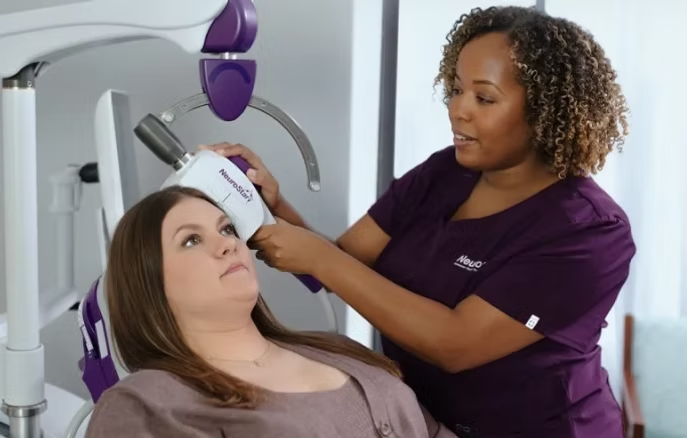
Overview of Transcranial Magnetic Stimulation
Transcranial Magnetic Stimulation (TMS) is a non-invasive procedure that utilizes focused magnetic fields to stimulate electrical activity in specific areas of the cerebral cortex. These magnetic pulses modulate neuronal activity in regions associated with mood and affective processing.
TMS does not require anesthesia, does not involve systemic medication, and is performed in an outpatient clinical setting.
We Accept CareCredit for TMS Therapy

Clinical Indications
TMS may be considered for adult patients who:
- Have a diagnosis of Major Depressive Disorder (MDD) or Obsessive Compulsive Disorder (OCD)
- Have demonstrated inadequate response to one or more antidepressant medications
- Are unable to tolerate pharmacological side effects
- Are seeking an alternative or adjunctive treatment approach
Additional indications may be evaluated based on clinical judgment and current evidence.
All patients undergo a comprehensive clinical assessment to determine appropriateness for treatment.
Treatment Protocol
- Sessions typically last 20–40 minutes
- Treatments are administered 4-5 days per week over several weeks
- Patients remain awake and alert throughout the procedure
- No post-treatment recovery time is required
Motor threshold mapping and treatment parameters are established according to accepted clinical standards.
Safety and Tolerability
TMS is well-studied and has demonstrated a favorable safety profile when administered by
trained clinicians.
Common side effects may include:
- Mild to moderate scalp discomfort
- Transient headache
- Localized muscle twitching during treatment
Serious adverse events are rare. All potential risks are reviewed prior to initiation of therapy.
Clinical Approach at Mentable
- Individualized Treatment Planning: Each TMS treatment course is tailored based on clinical history, symptom profile, and neurophysiological parameters.
- Medical Oversight: Treatment is provided under physician supervision with ongoing symptom monitoring.
- Standards-Based Care: Mentable follows established clinical guidelines and evidence-based protocols for
neuromodulation therapies.

Evidence &Expected Outcomes
According to Sackeim HA, et. al (2020), 83% of patients who complete TMS treatment experience measurable symptom relief, while 62% experience full remission.
***Clinical response may vary among patients. Some individuals experience symptom improvement within the first few weeks, while others demonstrate gradual improvement over the full course of treatment. ***
.
Consultation and Referral
Patients interested in TMS at Mentable must complete a clinical consultation to determine eligibility and appropriateness.
Referrals from primary care or mental health providers are accepted where applicable.
Frequently Asked Questions
Is TMS covered by insurance?
Insurance coverage depends on diagnosis and payer criteria. Our administrative team can assist with benefits verification. CareCredit is also offered to cover costs for TMS therapy if paying out of pocket or if you have a high insurance deductible.
Can TMS be used alongside medication or psychotherapy?
Yes. TMS may be administered as a standalone or adjunctive therapy, based on clinical assessment.
Are there contraindications to TMS?
Yes. Patients with certain implanted metallic or electronic devices may not be eligible. A full screening is conducted before treatment.