
Combining TMS and therapy for depression can lead to stronger, longer-lasting relief than either treatment alone. Transcranial magnetic stimulation works directly on the brain circuits tied to mood. Psychotherapy gives patients the skills to use that renewed energy in daily life. At Mentable in Charlotte, we pair TMS with supportive, solution-focused psychotherapy and psychiatric care so each part of treatment supports the others.
Depression affects mood, sleep, focus, energy and relationships. For many adults, one treatment is not enough. Some patients try several antidepressants with limited results. Others cannot tolerate medication side effects.
This guide to Combining TMS and Therapy for Depression: Key Benefits explains how each treatment works, why they pair well and who may be a good fit. Our approach fuses interventional treatment such as TMS with traditional psychiatric care, and this article shows what that looks like in practice.
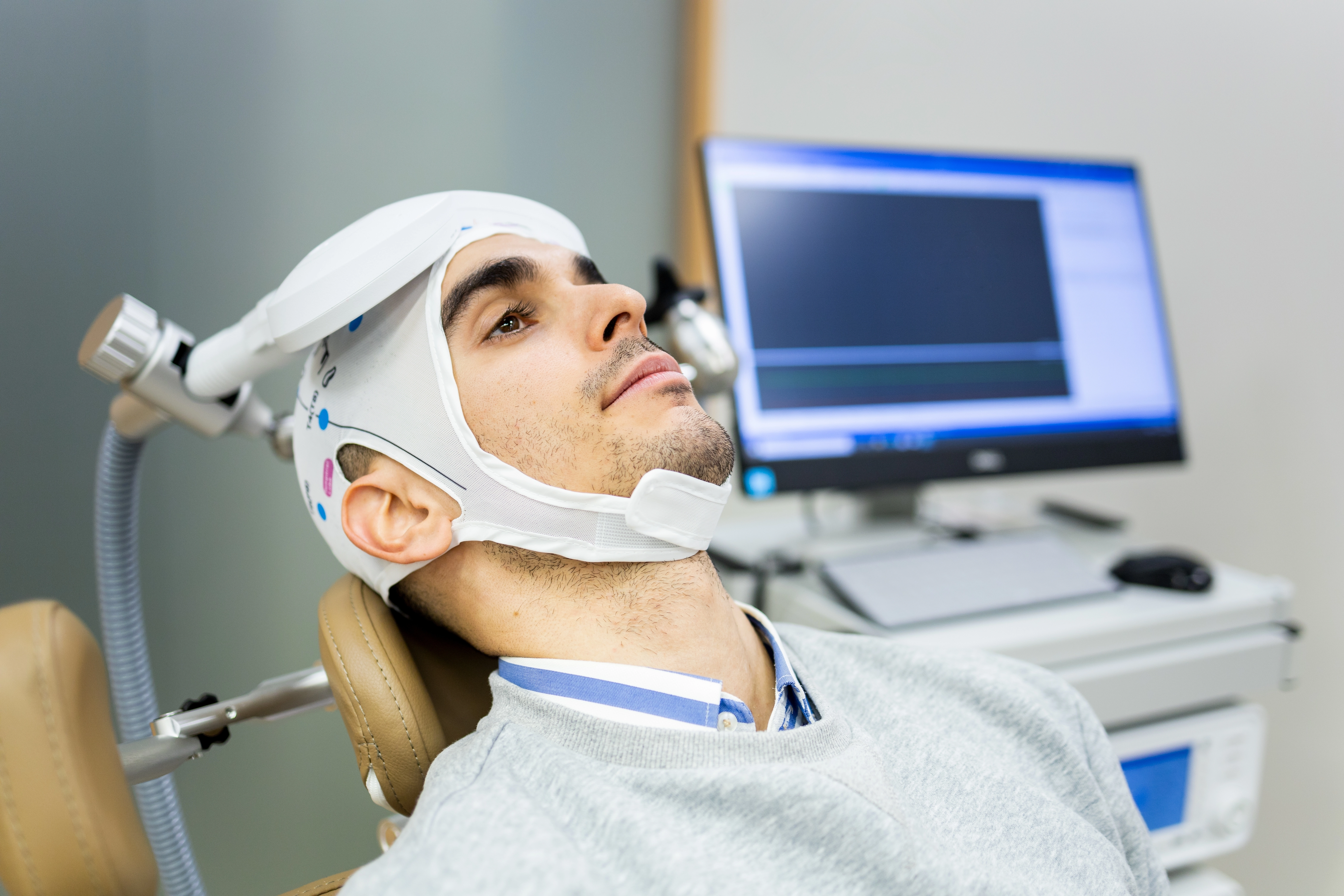
TMS is a non-invasive, non-medication treatment for depression. It uses magnetic pulses to stimulate areas of the brain involved in mood regulation. Patients stay awake and alert during sessions and can return to normal activities afterward.
We offer TMS for adults with major depressive disorder, depression with anxiety and OCD. Sessions typically last 20 to 40 minutes. They are usually given four to five days per week over several weeks.
Psychotherapy is a collaborative treatment built on the relationship between a patient and a provider. It helps patients understand their thoughts, feelings and patterns.
We specialize in solution-focused brief psychotherapy. This style centers on goals, strengths and practical next steps rather than spending years revisiting the past. Our Psychotherapy are supportive and tailored to each patient.
TMS and therapy often work alongside other supports. Some patients continue an antidepressant during TMS. Others reduce or adjust medication over time under careful supervision.
Through Medication Management, we review what is working and what is not. We also look deeper with lab testing and psychogenetic testing. These tools can help explain why certain medications have failed and guide the next decision. Healthy sleep, movement and routine round out the plan.
TMS and psychotherapy address depression from two directions. TMS targets brain activity. Therapy targets thoughts, habits and coping skills.

When mood begins to lift during TMS, many patients find it easier to engage in therapy. They have more energy to set goals and practice new skills. Therapy then helps them turn that progress into lasting change.
No two patients experience depression the same way. Some need more focus on brain-based treatment. Others benefit most from structured talk therapy.
Combining both lets us adjust the plan as symptoms change. Patients who cannot come in four or five days a week can schedule TMS two or three days a week. This extends the overall course but keeps treatment within reach. We offer both in-person and telehealth appointments for psychiatric and therapy visits, and support is available in English and Spanish.
Treatment-resistant depression is depression that has not improved after trying antidepressants. TMS was developed with these patients in mind.
Adding therapy gives patients a place to process years of struggle with symptoms. It also helps rebuild routines, relationships and confidence that depression may have worn down.
Understanding Combining TMS and Therapy for Depression: Key Benefits starts with symptom relief. Many patients notice better mood, sleep and concentration as TMS progresses. Therapy supports that progress by addressing negative thinking and avoidance patterns that can pull mood back down.
Together, the two treatments aim for recovery, not just partial improvement.
TMS does not have to replace medication. For patients who have had a partial response to an antidepressant, TMS may add benefit. For those who could not tolerate side effects, it offers a non-medication path.
Therapy fits alongside either approach. Our lab and psychogenetic testing add more information so medication choices are based on data rather than guesswork.
TMS works on the physical side of depression. Therapy works on the emotional and behavioral side. Our integrative psychiatry approach treats the whole person.
We also screen for conditions that often overlap with depression, such as anxiety and ADHD. Treating these related concerns can make depression treatment more effective.
Research on pairing TMS with talk therapy is growing. Findings suggest that combining brain stimulation with structured therapy may improve response compared with either treatment alone. Researchers believe TMS may help the brain become more open to learning new patterns, which therapy then reinforces.
Researchers are also exploring TMS alongside ketamine-based treatments for severe depression. This work is still early, and results vary. Patients curious about any combination approach should review it with their psychiatric provider, who can explain what fits their history and goals.
Long-term reviews suggest that patients who keep up therapy skills after TMS may maintain gains longer. Therapy gives patients tools to spot early warning signs and respond before symptoms return. Some patients also return for additional TMS sessions if symptoms come back.
Combination treatment may suit adults who:
Have been diagnosed with major depressive disorder
Have not responded well to antidepressant medications
Cannot tolerate medication side effects
Experience depression along with anxiety
Want a non-medication option for depression
We treat adults from all walks of life and provide culturally sensitive care. A Psychiatric Evaluation is the first step in deciding whether this approach makes sense.
Some patients start therapy and TMS at the same time. Others begin TMS first and add therapy once mood begins to improve. The right timing depends on symptom severity, energy level and personal goals.
Your plan is reviewed throughout treatment. Changes are made based on how you respond, not on a fixed formula.
Treatment begins with a full psychiatric assessment. This includes a review of your history, past treatments and current symptoms. Testing may be recommended to clarify the full picture.
From there, you receive a plan that may include TMS, psychotherapy and medication management. Progress is tracked over time so the plan can be adjusted. TMS sessions are short, and most patients continue work, school and family routines during treatment.
Consistency matters in depression care. At Mentable, patients meet with the same provider throughout treatment. Camellia Douglas, MSN, APRN, PMHNP-BC, Board Certified Psychiatric Nurse Practitioner, oversees psychiatric care, TMS and therapy.
This continuity means your provider knows your history and your goals. You do not have to repeat your story to a new person at each visit. Our focus is active listening and getting to the root of your symptoms through testing and careful evaluation.
Combining TMS and Therapy for Depression: Key Benefits comes down to treating both the brain and the patterns that keep depression in place. TMS offers a non-medication option that targets mood circuits directly. Therapy builds the skills that help progress last. With testing, medication management and one consistent provider, Mentable brings these pieces together into a single, personalized plan.